Seasonal Maintenance Checklist for Your Home
Maintaining a home is an ongoing process that requires attention throughout the year. Different seasons bring distinct challenges, and adapting maintenance routines accordingly can help preserve the property’s condition and functionality. A proactive approach, based on regular inspections and timely minor repairs, often reduces the likelihood of more significant issues developing. This article outlines a systematic seasonal maintenance checklist, focusing on key areas such as heating, cooling, roofing, and plumbing.
Understanding the specific needs of each season is essential for effective home upkeep. For instance, winter demands robust heating and insulation, while summer calls for efficient cooling and ventilation. By planning maintenance tasks ahead of time, homeowners can address potential problems under favourable weather conditions. The following sections provide a detailed guide to seasonal maintenance, emphasising preventive measures and early detection.
Spring Maintenance: Refreshing and Inspecting
Spring is often the ideal time to assess any damage caused by winter weather. The freeze-thaw cycle can affect roofing materials, gutters, and exterior surfaces. Begin by inspecting the roof for missing or damaged shingles, and check for signs of wear around chimneys and vents. Clearing debris from gutters and downspouts ensures proper water drainage, preventing potential water damage to the foundation and walls.
Additionally, spring is suitable for servicing the cooling system before the heat of summer arrives. Scheduling a professional inspection of the air conditioning unit can identify issues such as refrigerant leaks or worn components. Replacing filters and cleaning coils contribute to efficient operation. Moreover, examining the exterior of the property, including siding and paint, allows for early identification of areas needing repair or repainting. This proactive approach helps maintain the home’s structural integrity and aesthetic appeal.
Summer Maintenance: Preparing for Heat
During the summer months, the focus shifts to keeping the interior comfortable while managing energy consumption. Checking the efficiency of windows and doors for air leaks is important, as sealing gaps can reduce the workload on the cooling system. Additionally, inspecting and cleaning the outdoor condenser unit ensures proper airflow, which is critical for optimal performance.
Summer also presents an opportunity to inspect the plumbing system for any issues that might have gone unnoticed. High temperatures can affect pipes, especially those in unconditioned spaces. Checking for leaks, corrosion, or unusual noises helps identify potential problems early. Furthermore, this season is suitable for servicing water heaters, as sediment buildup can be flushed to improve efficiency. By addressing these aspects, homeowners can maintain a comfortable environment throughout the warmer months.
Autumn Maintenance: Preparing for Winter
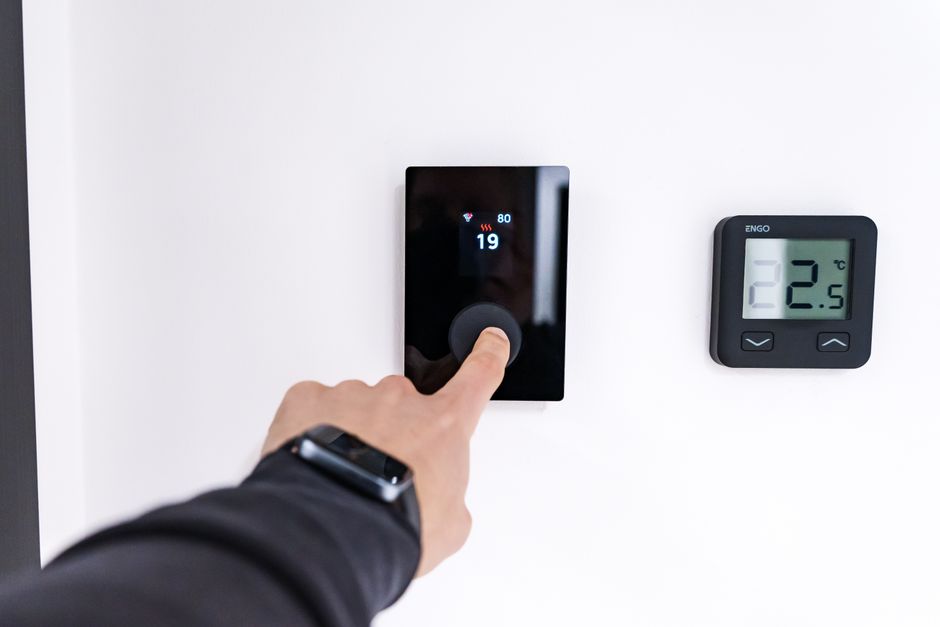
Autumn is the transitional period when preparations for colder weather should begin. A thorough inspection of the heating system is a priority, as it will be relied upon heavily in the coming months. Hiring a professional to service the furnace or boiler, including checking for safety hazards and ensuring efficient operation, is a prudent step. Replacing filters and testing thermostats contribute to reliable performance.
Additionally, examining the roof and gutters again is advisable, as fallen leaves can cause blockages that lead to water damage. Trimming overhanging tree branches reduces the risk of damage from ice or storms. Inspecting the insulation in the attic and walls helps determine if additional insulation is needed to retain heat. Furthermore, checking the seals around windows and doors and applying weatherstripping where necessary can prevent drafts and heat loss.
Winter Maintenance: Maintaining Safety and Efficiency
Winter brings freezing temperatures that can present unique challenges to home systems. One of the primary concerns is preventing frozen pipes. Insulating exposed pipes in unheated areas, such as basements or crawl spaces, and maintaining a consistent indoor temperature can help mitigate this risk. Knowing how to shut off the main water supply in case of an emergency is also essential.
Monitoring the home for signs of ice dams on the roof is important, as these can cause water to back up under shingles. Ventilating the attic properly and ensuring adequate insulation can reduce the likelihood of ice dam formation. Additionally, checking the operation of carbon monoxide detectors and smoke alarms is particularly critical during winter when heating systems run frequently. Regular maintenance of the heating system, including cleaning and inspections, ensures safe and efficient operation throughout the season.
Year-Round Practices for Long-Term Maintenance
While seasonal tasks are essential, some practices should be performed regularly to maintain the home’s condition. Keeping a maintenance log helps track inspections, repairs, and service dates, providing a clear record for future reference. This documentation can also be valuable when selling the property or when dealing with warranty claims.
Establishing a routine for basic tasks, such as changing filters, testing safety devices, and inspecting for leaks, contributes to the overall well-being of the home. Being observant and addressing minor issues promptly can prevent them from escalading into major problems. By adopting a systematic approach to maintenance, homeowners can manage their properties effectively, ensuring comfort and functionality throughout the year.